Turnkey Paint Factory

From Project Planning to Stable First-Batch Production

Through phased implementation, partners can progressively establish stable, repeatable local manufacturing capabilities that can be continuously upgraded.

Solution Fit

Factory Models

Different markets require different factory models.

Based on the target country, market size, sales channels, product focus, investment capacity, and future growth plan, MAHACINA helps partners select the factory model that best fits their needs.

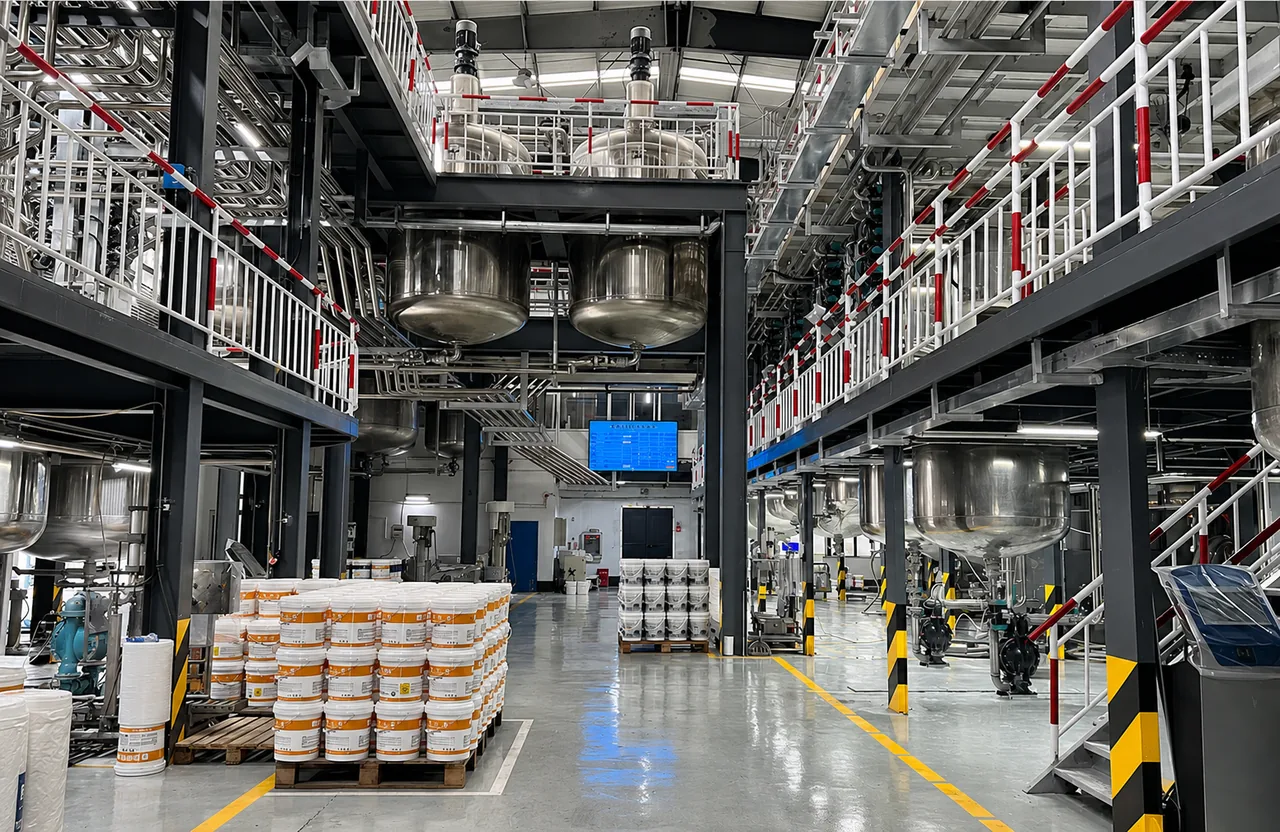
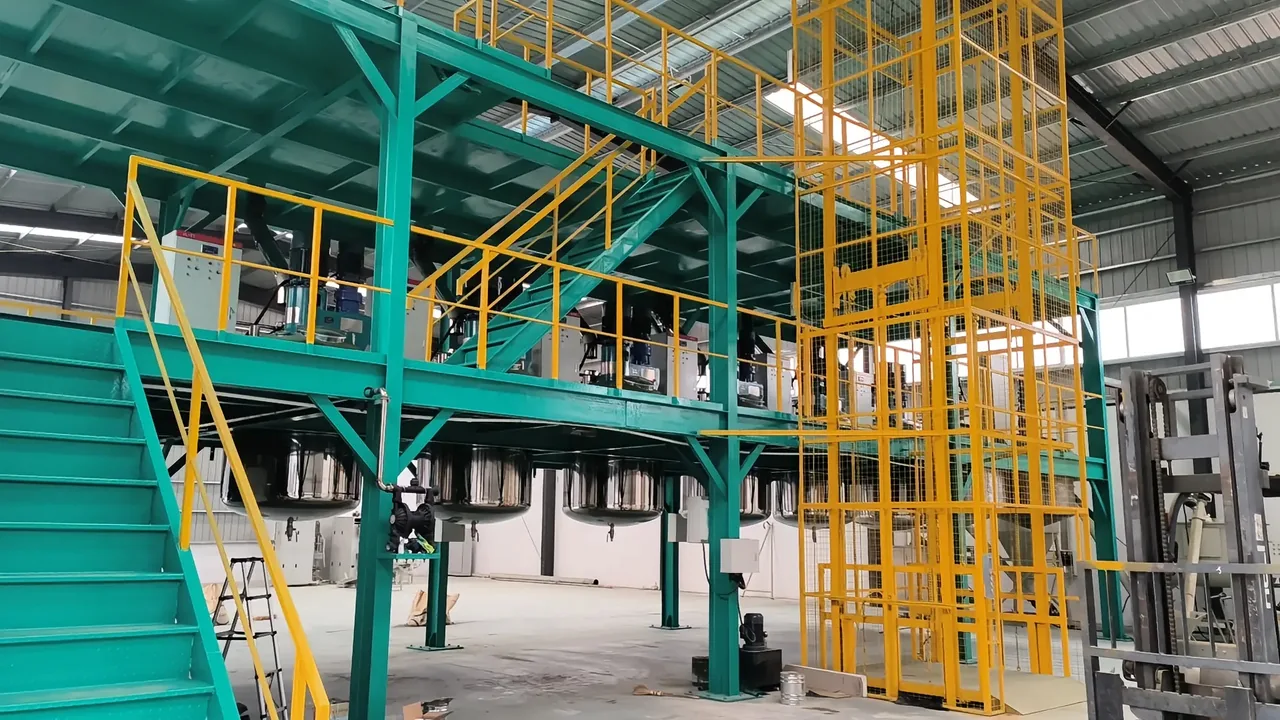
Coatings production equipment, storage tanks, and a material lift
01

Focused Start

Light-Start Factory

For investors, distributors, and trading companies entering manufacturing for the first time. Focused on architectural coatings, interior and exterior emulsion paints, waterproofing coatings, and essential functional coatings, it uses streamlined equipment and a focused product portfolio to establish stable production and cash flow before scaling up.
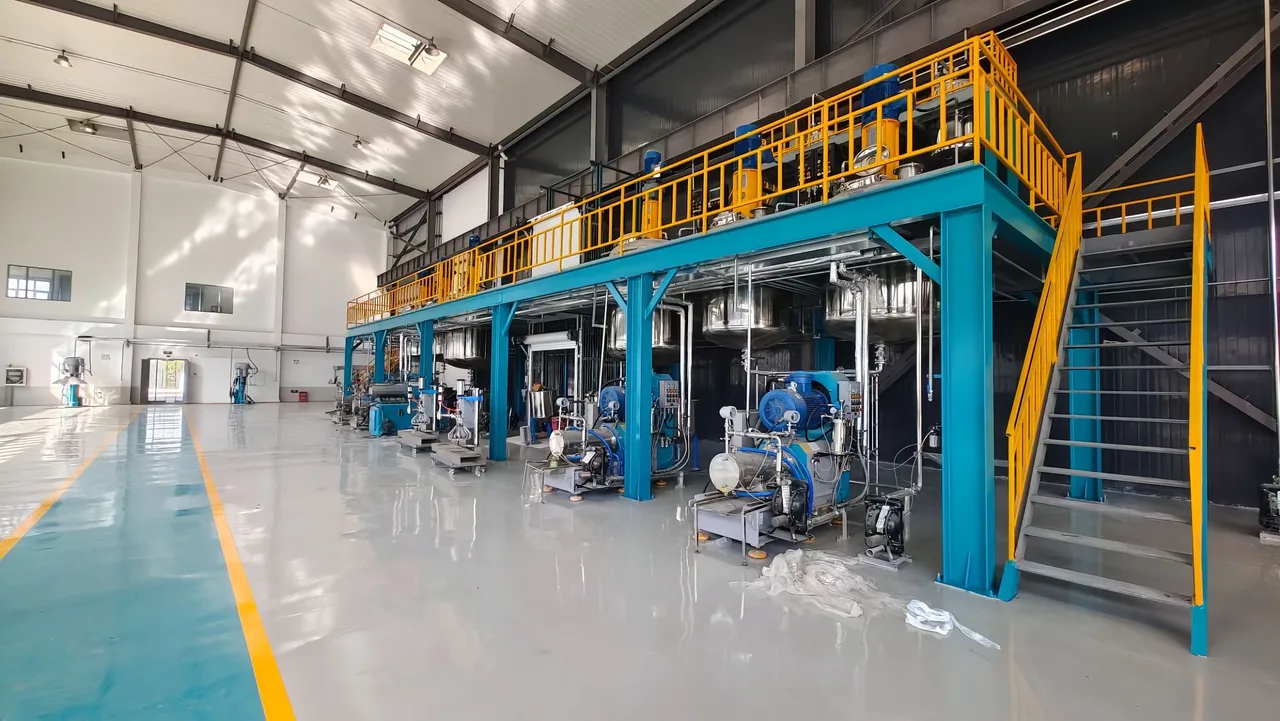
Coatings factory production line and dispersion equipment
02

Integrated Operation

Standard Integrated Factory

For businesses with established channels, a customer base, or a long-term manufacturing plan. Complete production, laboratory, quality-control, and tinting systems support architectural, waterproofing, flooring, basic industrial, and functional coatings—creating multi-product profitability.

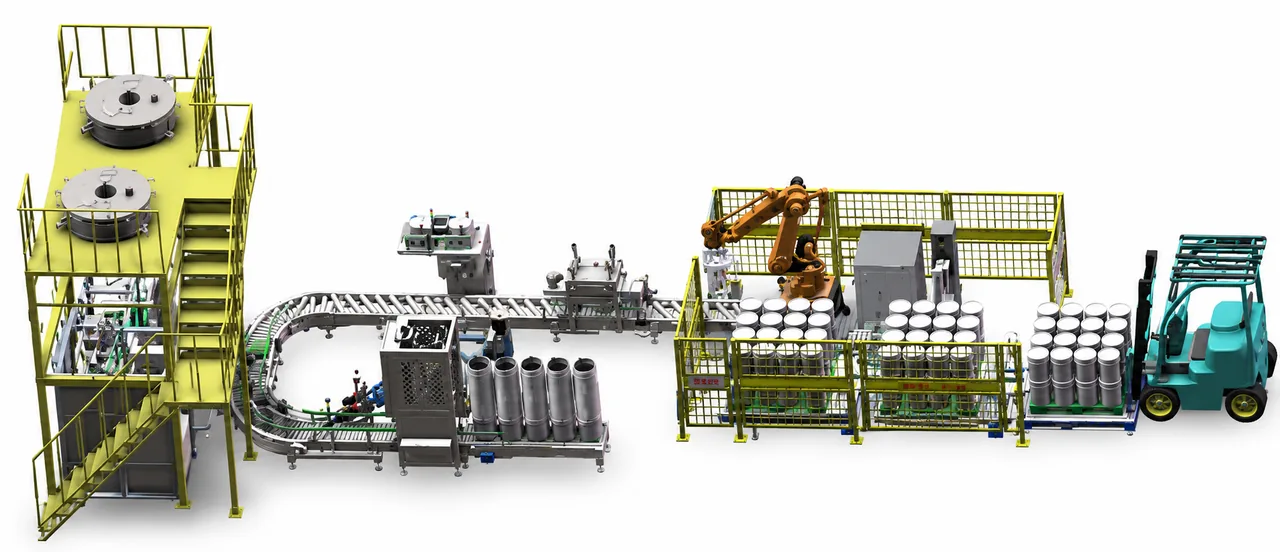
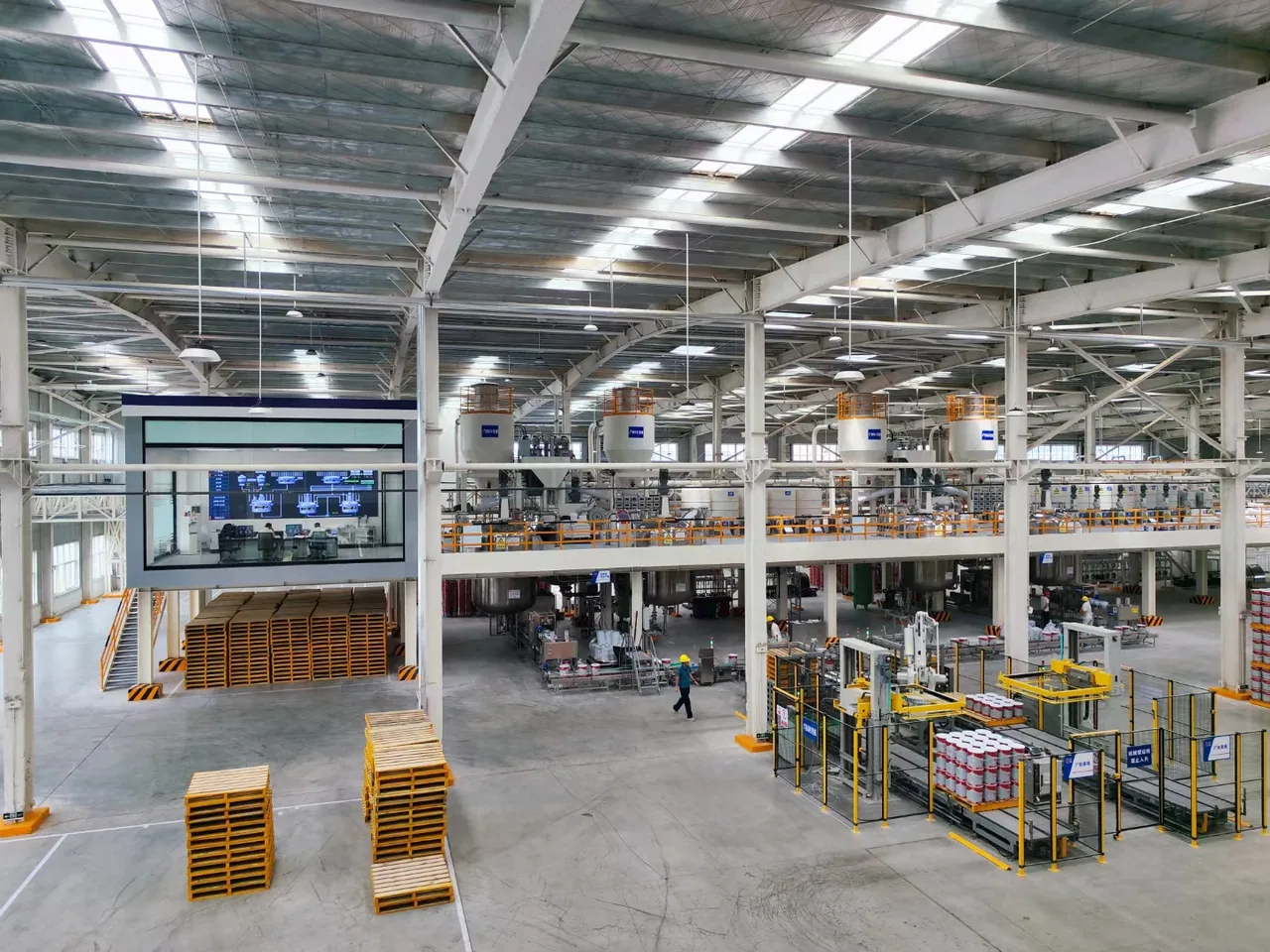
Panoramic view of an automated coatings factory production line
03

Industrial Upgrade

Industrial Upgrade Factory

For industrial groups, engineering suppliers, and existing coatings companies. It prioritizes industrial anticorrosion coatings, epoxy and polyurethane flooring systems, specialized functional coatings, and project-based products, while strengthening laboratory capability, quality control, raw-material management, and technical service.

Implementation Method

From Planning to Start-up

Eight implementation stages cover project assessment, construction, technology transfer, trial production, and commercial start-up.

  1. 01

    Project and Market Assessment

    Confirm the target market, product focus, channel resources, investment capacity, planned capacity, and site conditions to establish the project feasibility baseline.

  2. 02

    Product Portfolio and Business Model

    Define launch products, market positioning, cost structure, sales approach, and an initial profitability model.

  3. 03

    Factory Planning and Process Design

    Plan areas for production, raw materials, finished goods, laboratory, tinting, packaging, and warehousing; design process flows, internal material flows, and allowance for future expansion.

  4. 04

    Equipment Configuration and Project Implementation

    Configure dispersion, mixing, conveying, filling, tinting, laboratory, and utility equipment to align with the product portfolio and target capacity.

  5. 05

    Product, Formulation, and Raw-Material Integration

    Complete formulation transfer, local raw-material testing, BOMs, key-material supply coordination, and production-process transfer.

  6. 06

    SOPs, Laboratory, and Quality System

    Establish production SOPs, testing standards, batch records, retained samples, traceability, and deviation-handling procedures.

  7. 07

    Team Training and Trial Production

    Train production, laboratory, and quality personnel; complete the first trial run, testing, application validation, and process optimization.

  8. 08

    Commercial Start-up

    Validate products and the manufacturing system, then transition into stable production and commercial operations.

Scope Alignment

Project Roles and Responsibilities

Alignment of Technical Systems and Local Operating Resources

All scopes, responsibilities, milestones, deliverables, and acceptance criteria are confirmed before project kick-off.

Technical System

MAHACINA Responsibilities

  • Product portfolio planning
  • Process design and equipment configuration
  • Formulation and technology transfer
  • Coordination of key raw materials
  • SOPs, laboratory, and QC system
  • Personnel training and trial production
  • Product optimization and ongoing technical support

Local Operation

Partner Responsibilities

  • Land, factory building, or leased premises
  • Company registration and government approvals
  • Local civil works and basic infrastructure
  • Local production, management, and sales teams
  • Channel development and market promotion
  • Working capital for day-to-day operations
  • Support for regulatory and certification information

Joint Delivery

Joint Responsibilities

  • Market and product planning
  • Production capacity and project schedule
  • Raw-material localization
  • Trial production and market validation
  • Cost optimization
  • Ongoing product upgrading

Manufacturing Workflow

Standardized Manufacturing Workflow

The manufacturing workflow is governed by formulations, BOMs, SOPs, in-process inspection, and batch traceability.

Automated coatings filling, palletizing, and forklift production line
  1. 01

    Raw Material Receiving

    Register, classify, store, and inspect materials by batch.

  2. 02

    Formula Weighing

    Accurately stage materials in accordance with production instructions and the BOM.

  3. 03

    Material Charging and Processing

    Perform charging, dispersion, mixing, reaction, or maturation in accordance with SOPs.

  4. 04

    In-Process Inspection

    Verify key parameters and correct deviations before the batch advances to the next operation.

  5. 05

    Color Matching and Performance Adjustment

    Confirm conformance against the approved color standard and product specifications.

  6. 06

    Filtration and Filling

    Once product specifications are met, filter, fill, and package the product.

  7. 07

    Finished-Goods Testing

    Complete all required tests and release the finished batch.

  8. 08

    Warehousing and Traceability

    Link raw materials, production batches, test results, and finished-goods records.

Quality Workflow

Quality Control System

Consistent quality is built on standardized control.

The quality system is established during the factory-design stage to ensure batch-to-batch consistency, complete records, and traceability of issues.

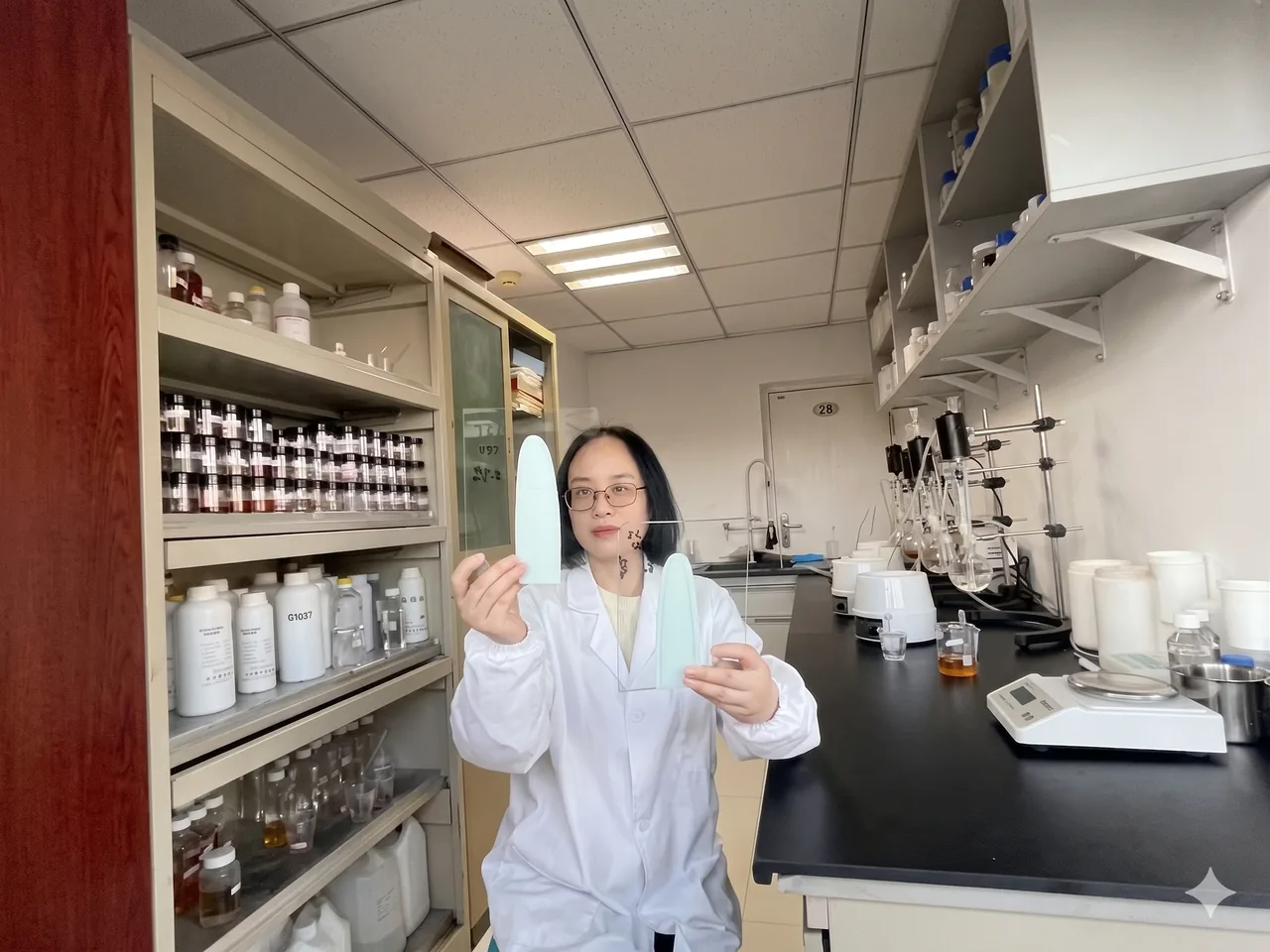
Coatings laboratory researcher presenting coated-panel samples
  1. 01

    Raw Material Control

    Establish standards for supplier management, raw-material specifications, batch records, incoming verification, and nonconforming-material handling.

  2. 02

    Production Process Control

    Control charging order and quantities, dispersion and mixing times, process parameters, in-process testing, and operating records.

  3. 03

    Finished Product Quality Control

    Test appearance, viscosity, density, fineness, solids content, pH, hiding power, gloss, drying, adhesion, water resistance, color, and application performance according to product category.

  4. 04

    Sample Retention and Traceability

    Link production batch numbers, raw-material batches, operators, production records, test results, and retained finished-product samples.

  5. 05

    Continuous Improvement

    Continuously optimize formulations, material substitution, cost, and performance, while analyzing deviations in light of local raw materials, climate, application methods, and market feedback.

Lifecycle Support

Ongoing Support After Start-up

Commercial start-up marks the beginning of long-term operational support. Ongoing support focuses on product consistency, production efficiency, cost control, and technology upgrades.

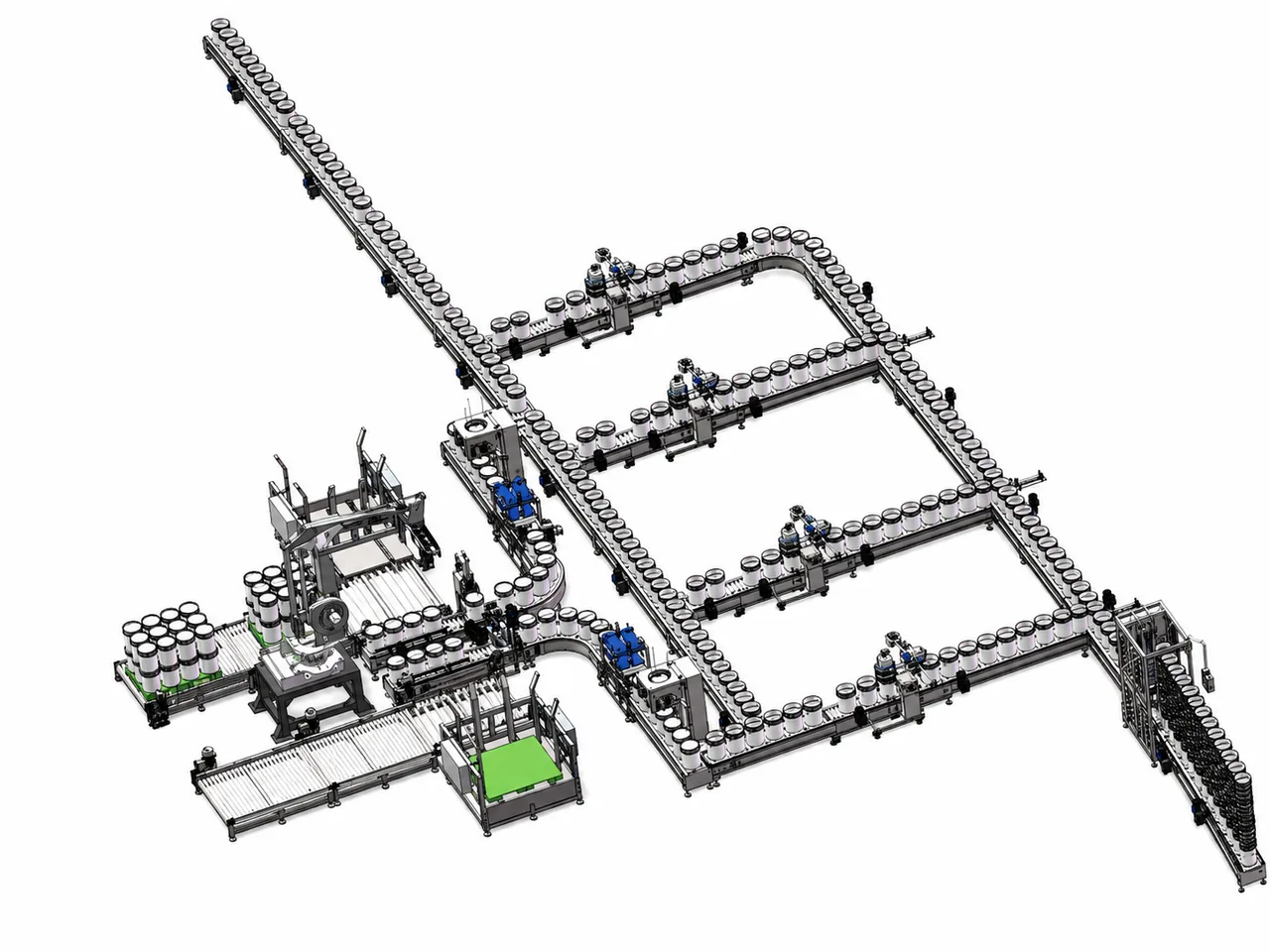
Automated conveyor and filling line for coatings containers
  1. 01

    Commissioning Phase

    Complete equipment run verification, first-batch production, process adjustment, product testing, and issue resolution to ensure the factory produces correctly to standard.

  2. 02

    Capacity Ramp-Up Phase

    Improve operator proficiency, production pace, material loss, product consistency, and unit cost to increase manufacturing efficiency.

  3. 03

    Stable Operations Phase

    Sustain standardized manufacturing, quality control, batch traceability, raw-material management, cost management, and technical support.

  4. 04

    Continuous Upgrade Phase

    Support new product introductions, formulation upgrades, local raw-material substitution, cost optimization, performance improvements, new-employee training, and process improvement.

Delivery Outcome

Complete Local Manufacturing Capability

The final delivery is more than equipment; it is a manufacturing system built for sustainable operation.

Localized manufacturing enables partners to progressively build capabilities in production, delivery, product development, quality control, supply-chain management, and brand growth.

Automated coatings tinting line
  1. 01

    An Operational Factory

    Well-planned functional areas, equipment, laboratories, and warehousing systems.

  2. 02

    A Market-Ready Product Portfolio

    A product portfolio suited to the local market and designed to deliver commercial value.

  3. 03

    Actionable Manufacturing Standards

    Formulations, BOMs, production processes, SOPs, and batch management.

  4. 04

    A Controlled Quality System

    Inspection, release, and traceability mechanisms from raw materials through finished goods.

  5. 05

    A Local Team Capable of Independent Production

    Proficient in production, laboratory testing, and quality management.

  6. 06

    A Supply Chain Built for Continuous Operation

    Coordinated supply of key materials, base-concentrate systems, and locally sourced materials.

  7. 07

    A Technology System Built for Continuous Upgrades

    Supports product expansion, cost optimization, and performance improvement.

滚动至顶部

Get A Free Quote Now !

MAHACINA Project Inquiry

Project-specific details

Only the questions relevant to the selected inquiry type are shown.

If you have any questions, please do not hesitate to contact us.